Develop AI Solutions
A staged path that puts AI to work in your business: training and policy first, then governance, then agents built against real processes. We run it at the pace your business sets.
Who It's For
This service is most valuable for two scenarios.
- AI is already in use and nothing governs it.
- People are using AI tools, data is leaving the building, and there is no policy covering either.
- The board has asked what the AI plan is.
- There is pressure to act and no agreed view of which processes justify an agent first.
In both cases we locate the business on the Crawl, Walk, Run map and name the next move.
How It Works
- 1 Locate the business. A diagnostic places each business unit on the Crawl, Walk, Run map and names the single next move.
- 2 Crawl: build the foundations. AI training across your teams, an enterprise licence with your chosen provider, and the policies that govern use.
- 3 Walk: govern the risk. Initiatives and risks registered, controls scored, and a dated record that survives staff changes and audits.
- 4 Run: build the agents. Agents built with your team against the processes with the clearest return, measured against real work before they go live.
You set the pace and own the decisions the governance record holds. We run the training, the risk register and the builds. We are vendor-agnostic across Claude, ChatGPT and Copilot, so the platform follows the use case.
Team Structure
The work is managed for you. An Australian delivery lead is your point of contact, and everyone else reports through them.
Your team
You set the pace and decide which processes come first. Everything below this line is run on our side.
Delivery lead
Your point of contact, and accountable to you across every stage of the journey.
Project manager
Runs the work day to day inside our Manila delivery centre, and reports to the delivery lead rather than to you.
AI engineers
Build and test the agents against your processes, and instrument them so the gains are measured before launch.
The same line holds at every stage. Training, the governance record and the agent builds all run under the same lead.
Agent Discovery
The Run stage starts with knowing which processes justify an agent.
- Department
- Where the agent sits and what it takes off the team
- Return
- What the process is worth once an agent runs it
- Time saved
- The hours it gives back, and the pages we read that from
We read only your public pages. Nothing is required from your systems, and no meeting is needed to see the output.
How It Compares
Every alternative below is a reasonable choice for some programmes. Read across a row to see where the two models actually differ.
| A platform vendor's own programme | An Adaca AI engagement |
|---|---|
| The programme is built around one platform. | Vendor-agnostic across Claude, ChatGPT and Copilot. |
| The recommended answer is their product. | The platform follows the use case. |
| Governance is whatever that platform ships. | A risk register and scored controls of your own. |
| A management consultancy | An Adaca AI engagement |
|---|---|
| They write the strategy and hand it over. | We write it and then build against it. |
| A second firm builds what the deck describes. | One team runs the training, the governance and the builds. |
| Production is somebody else's problem. | Agents are measured against real work before they go live. |
| Running it in-house | An Adaca AI engagement |
|---|---|
| Pilots start wherever there is enthusiasm. | A diagnostic locates each unit and names the next move. |
| No named exit criteria between stages. | Crawl, Walk and Run each have exit criteria. |
| Pilots stall before production. | Agents are instrumented and measured before launch. |
If what you need built is a system rather than AI put to work across the business, explore Build Custom Software.
Case Studies

Qantas
Collaboration portal for aerospace engineers during aircraft maintenance and repair
Read case study →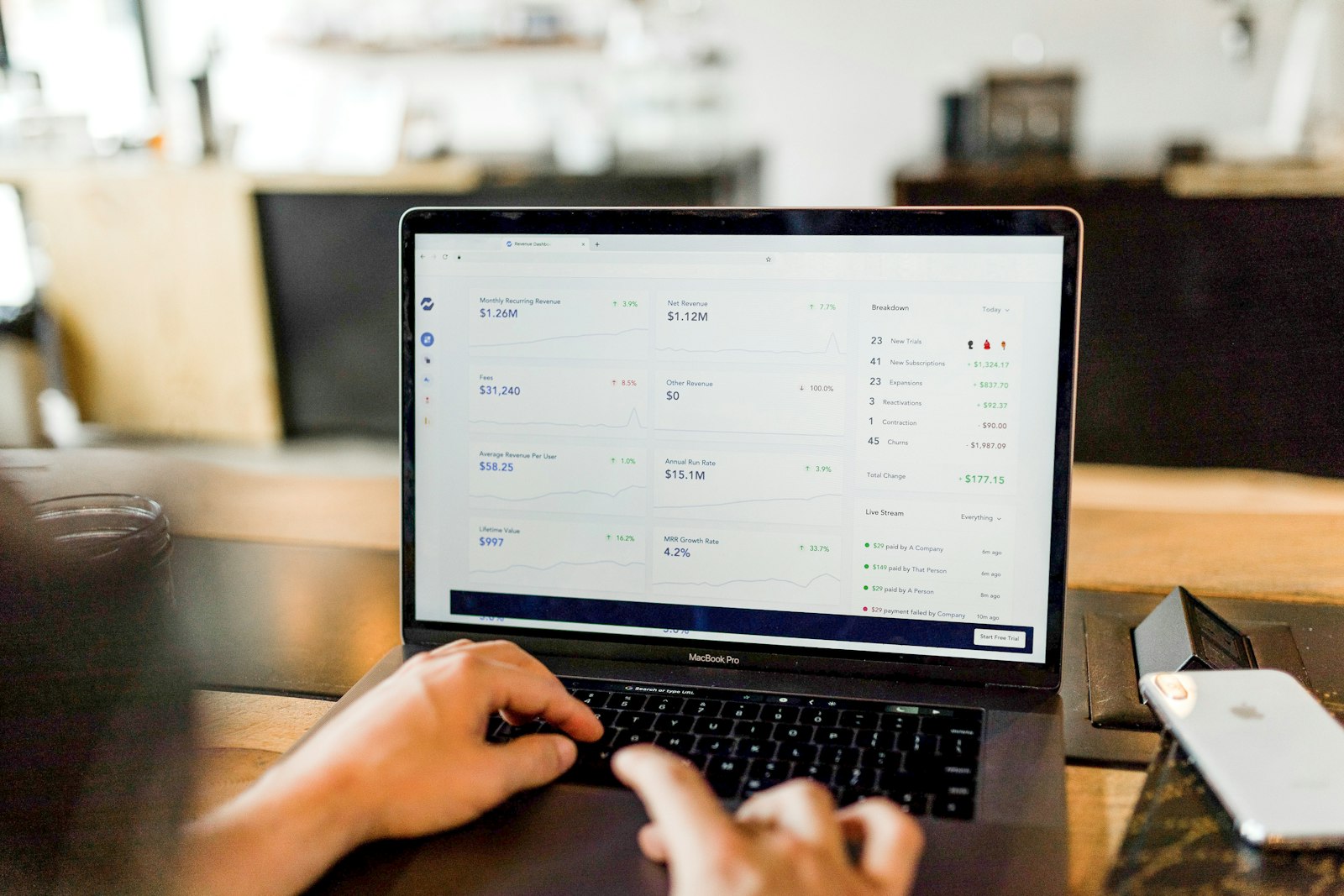
ANZ
Real-time CRO dashboard for enterprise risk during the Banking Royal Commission
Read case study →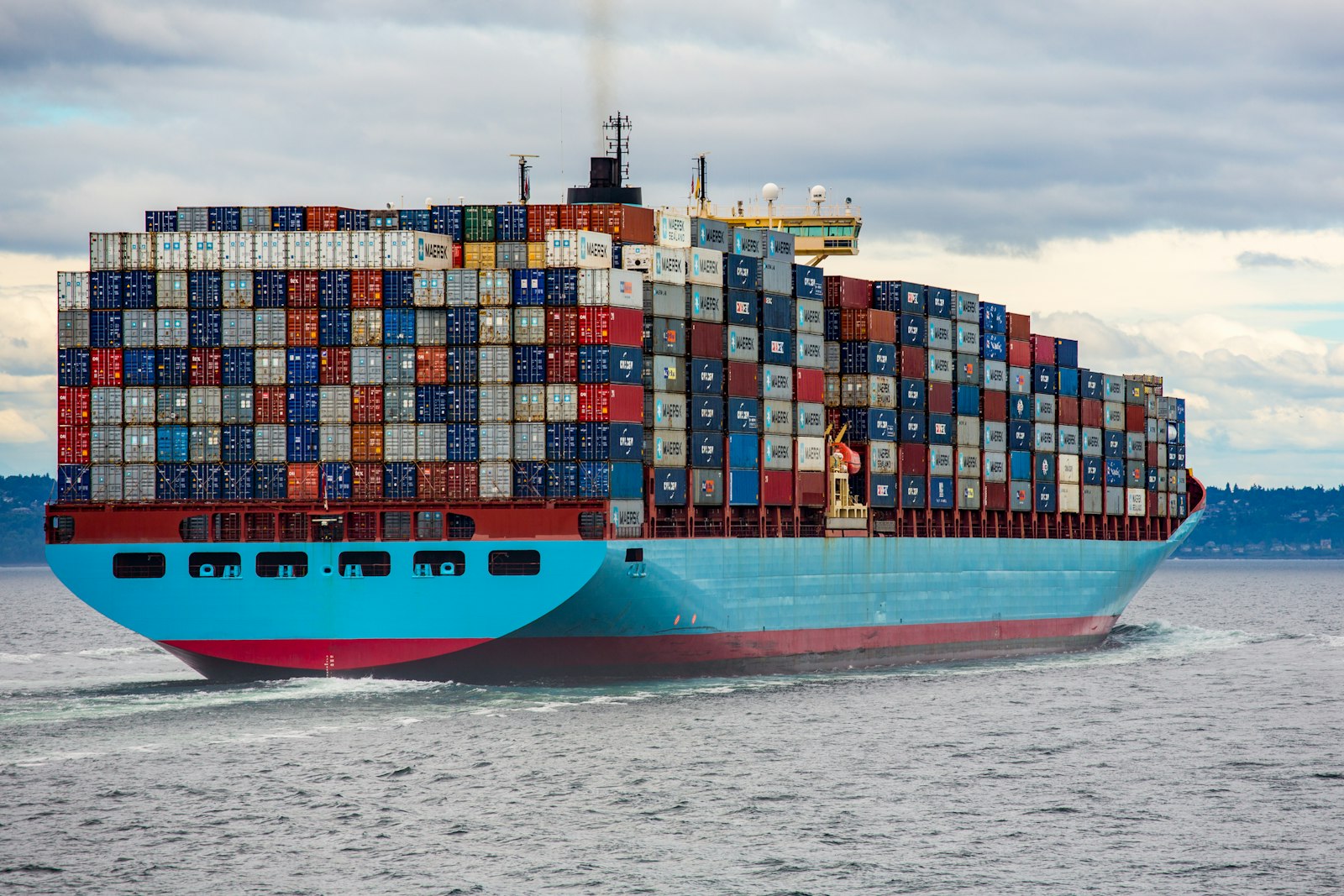
ShoreTrade
B2B seafood marketplace now powering the new Sydney Fish Market
Read case study →
Prospa
Specialist Salesforce engineering for a leading online lender
Read case study →
Cora Group
Real-time supply chain visibility where there was none.
Read case study →
ClearView
Life insurance advisor portal serving thousands of advisors with 99.9% uptime
Read case study →
Plant Hire Solutions
Ground-up platform rebuild to escape legacy vendor lock-in
Read case study →
Morrison Securities
Hybrid managed team and staff augmentation for a securities firm
Read case study →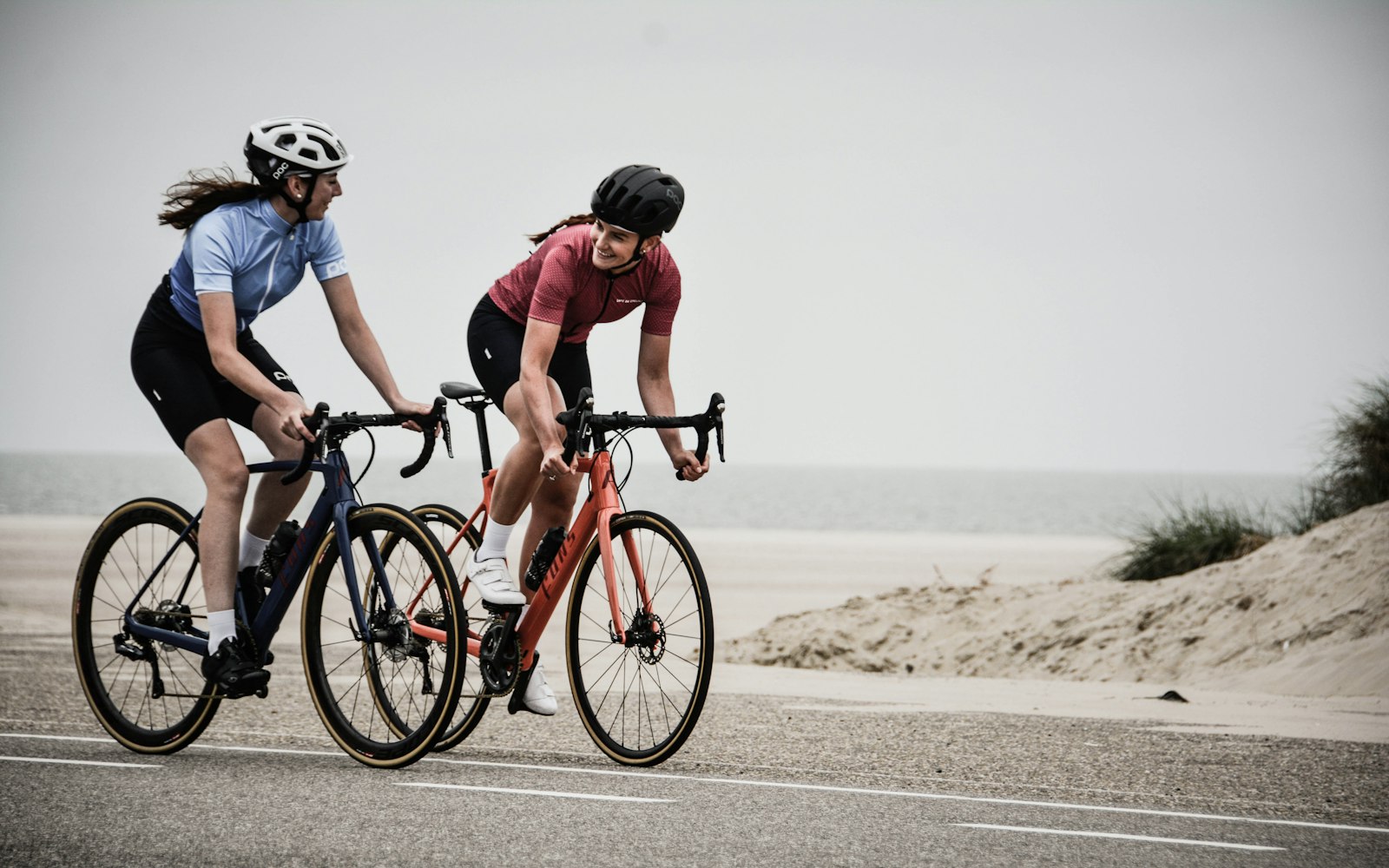
BikeExchange
Rebuilding a global cycling marketplace as a fully proprietary platform
Read case study →
EY
R&D claims collaboration portal adopted globally from Sydney to New York
Read case study →
Retail Insight
Vendor managed inventory platform for a major retail supply chain
Read case study →
IAG
Multi-brand data dashboard and rapid-turnaround survey platform for a major insurer
Read case study →
Infomedia
Building a dedicated offshore development team for a global automotive SaaS platform
Read case study →
Portalink
Scaling a dedicated engineering team for enterprise B2B commerce automation
Read case study →
ABL Corp
Custom software engineering for a regulated financial services environment
Read case study →Common Questions
How is an AI engagement priced?
Either a monthly rate for the team, or a fixed cost for an initial outcome with later phases moving to a monthly model once milestones are met.
An estimate is built from the team the work needs, at the same engineer rates that apply to any Adaca engagement. There is no minimum project size.
What are Crawl, Walk and Run?
Three stages, taken in order. Crawl is the foundations: AI training across your teams, an enterprise licence with your chosen provider, and the policies that govern use. Walk is governance: initiatives and risks registered, controls scored, and a dated record that survives staff changes and audits. Run is agents, built against the processes with the clearest return.
Each stage has exit criteria, so moving to the next one is a decision rather than a drift.
Do we have to start at the beginning?
A diagnostic places each business unit on the map and names the single next move, so a unit that already has training and policy in place does not repeat them.
You set the pace and decide which processes come first.
Which AI platform do you use?
Whichever fits the use case. We work across Claude, ChatGPT and Copilot, and the enterprise licence is yours with the provider you choose.
The platform follows the use case rather than the other way round.
What happens if AI is already in use without policy?
That is the ordinary starting position rather than an unusual one. The Walk stage exists for it: initiatives and risks registered, controls scored, and a dated record that holds up when someone asks what was decided and when.
How do you know an agent actually works?
Every agent is tested comprehensively against historical executions of the same or similar workflows, so it is measured on work that has already run rather than on a description of it. The requirements come from those executions, which is what keeps the build anchored to what the process actually does.
Agents are instrumented so the gains are measured before launch, and nothing goes live without your sign-off.
Who owns the agents you build?
You do. Intellectual property is assigned to you on payment, and that assignment is written into the contract rather than left to custom.
What do we have to do?
You set the pace, decide which processes come first, sign off before an agent goes live, and hold the decisions the governance record carries. The enterprise licence and the platform choice are yours.
The training, the risk register and the builds are ours, along with the delivery lead and the engineers.